The Pros and Cons of Sliding vs. Hinged Closet Doors
Choosing the right
closet door style can significantly affect both the aesthetics and functionality of a space. Sliding and hinged closet doors are two of the most popular options, each with its own advantages and disadvantages. Whether you're planning a new build or a renovation, understanding the differences between these two can help you make a more informed decision.
Sliding Closet Doors: Sleek and Space-Saving
Pros:
Sliding closet doors are a favorite for modern homes due to their clean, streamlined appearance. They glide along a track, which means they don’t swing outward, making them ideal for tight spaces or rooms with limited clearance. This space-saving design allows more room for furniture placement or movement around the room. Additionally, they are often available in mirrored styles, which can help make a room feel larger and brighter.
Cons:
While sliding doors save space, they can limit full access to your closet. Since the doors slide over each other, only one part of the closet is accessible at a time. Also, the sliding mechanism may require occasional maintenance to keep it running smoothly. Dirt and debris can get caught in the tracks, which might cause sticking or noise. Another downside is that sliding doors usually offer fewer design variations compared to hinged ones.
Hinged Closet Doors: Classic and Full-Access
Pros:
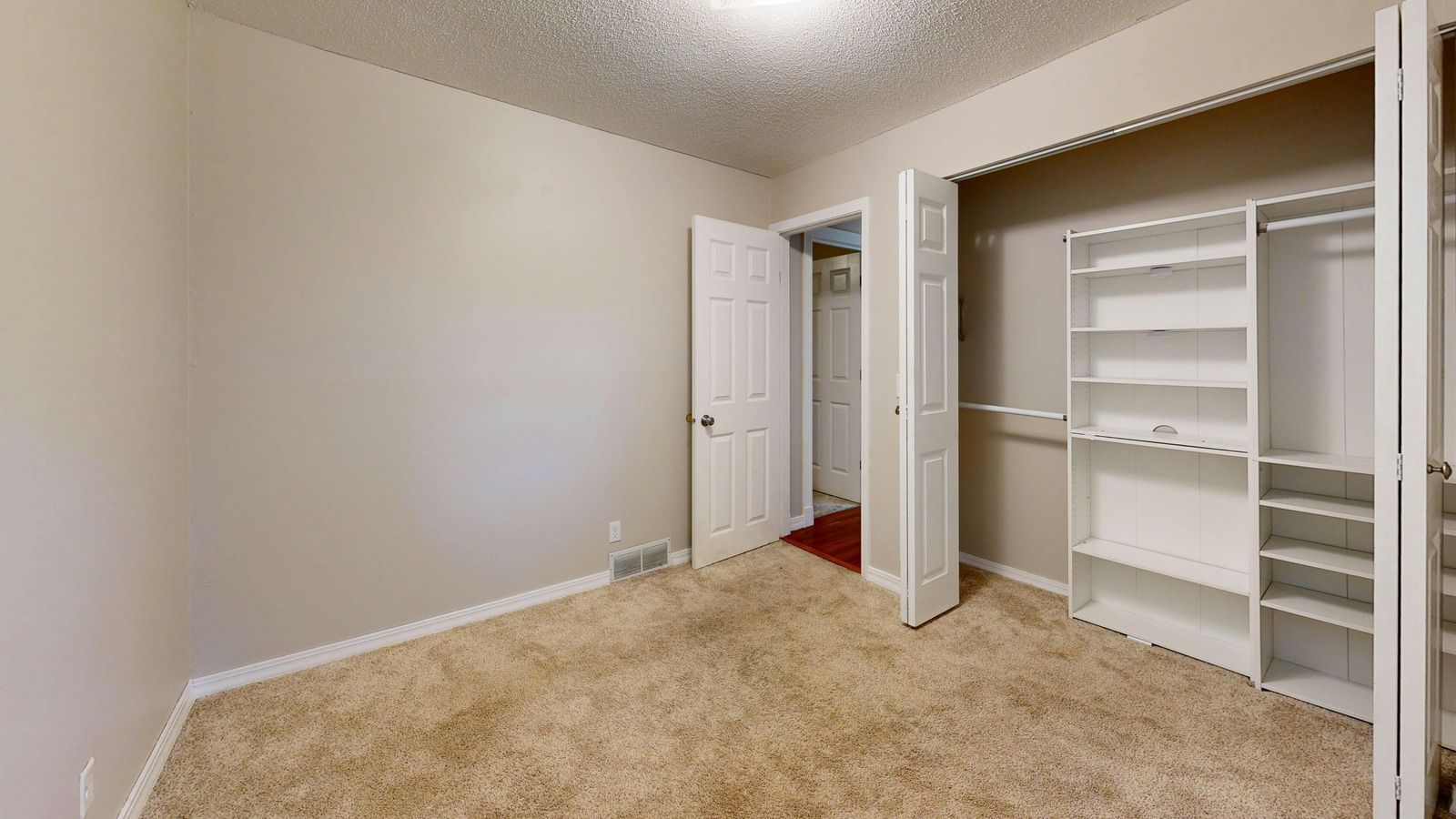
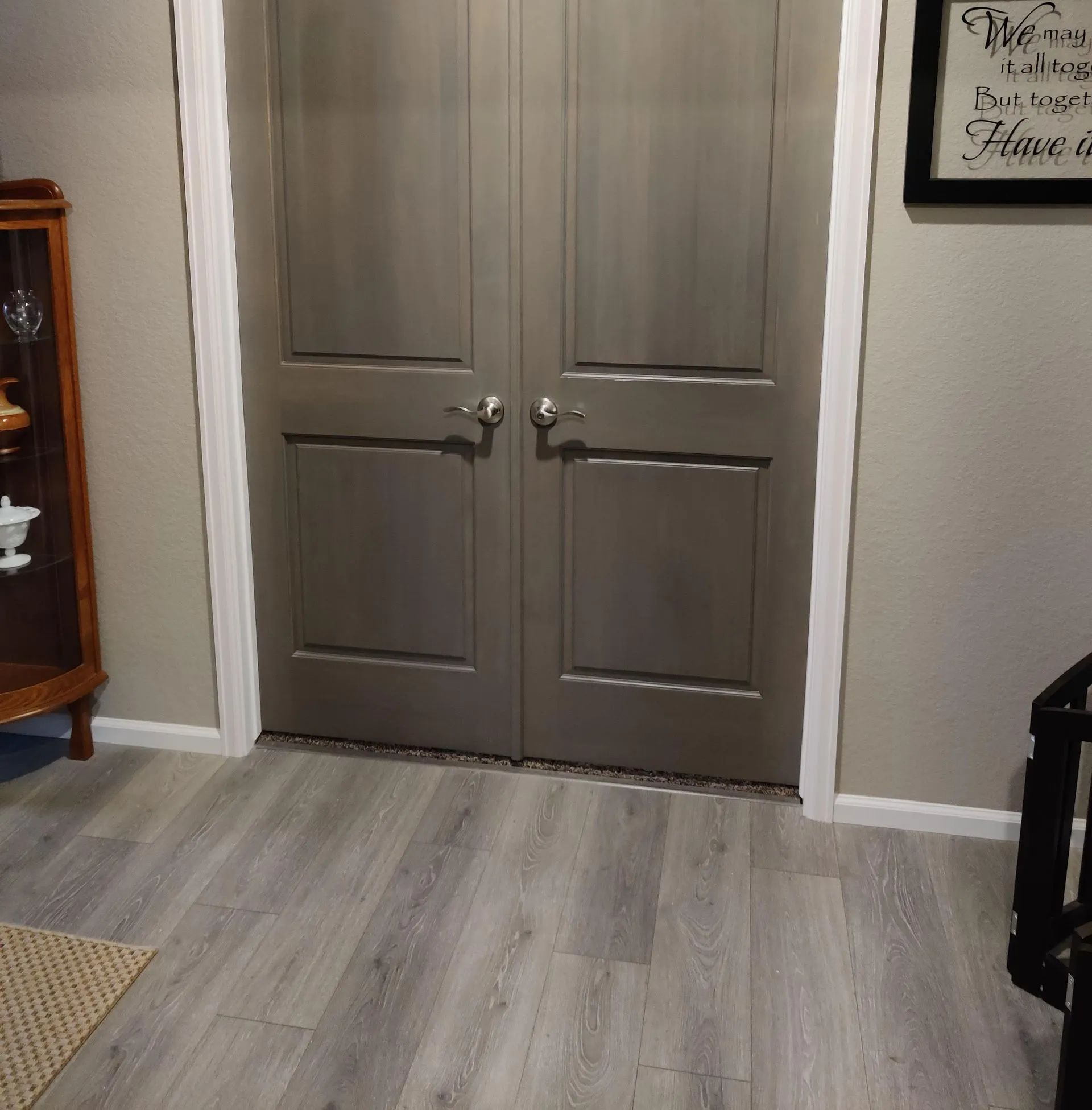
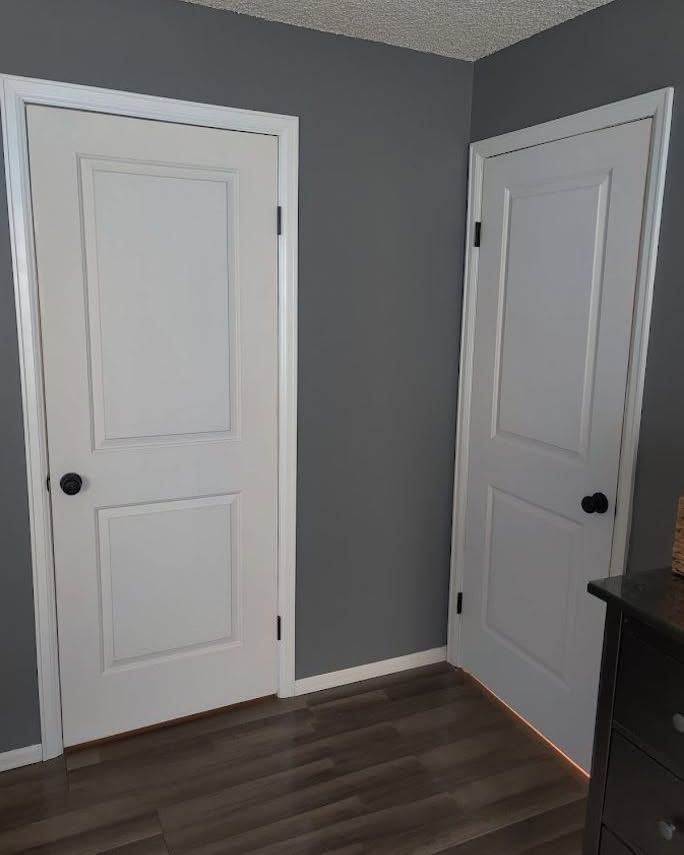
Hinged closet doors open outward like traditional room doors, allowing full access to the entire closet. This makes them great for organizing and accessing storage efficiently. They also offer more design flexibility, from solid panel designs to decorative finishes, and can even support additional hardware like hooks or hanging organizers. Because they’re not restricted by a track system, maintenance tends to be minimal.
Cons:
The main drawback of hinged doors is the space they require to swing open. In smaller rooms or areas with tight layouts, this can be a major limitation. They may interfere with nearby furniture or walkways, making them less suitable for compact spaces. Hinged doors also tend to take more wear and tear at the hinges over time, especially if frequently used or not properly aligned.
Which One is Right for Your Space?
When deciding between sliding and hinged closet doors, consider the size and layout of your room, as well as your storage needs and design preferences. Sliding doors work best in narrow or modern spaces where saving square footage is essential. Hinged doors are better suited for traditional layouts and when full closet access is a priority. You should also consider the long-term durability and maintenance involved with each type.
Whether you're leaning toward the sleek functionality of sliding doors or the timeless charm of hinged designs, Ortiz Quality Doors
in Aurora, Colorado, can help you choose and install the right option for your space. With 15
years of experience, our team delivers high-quality craftsmanship tailored to your home’s unique needs. Contact us today for expert advice and seamless installation that enhances your space with style and function.